The History of Programming: From the First Instructions to the AI Era
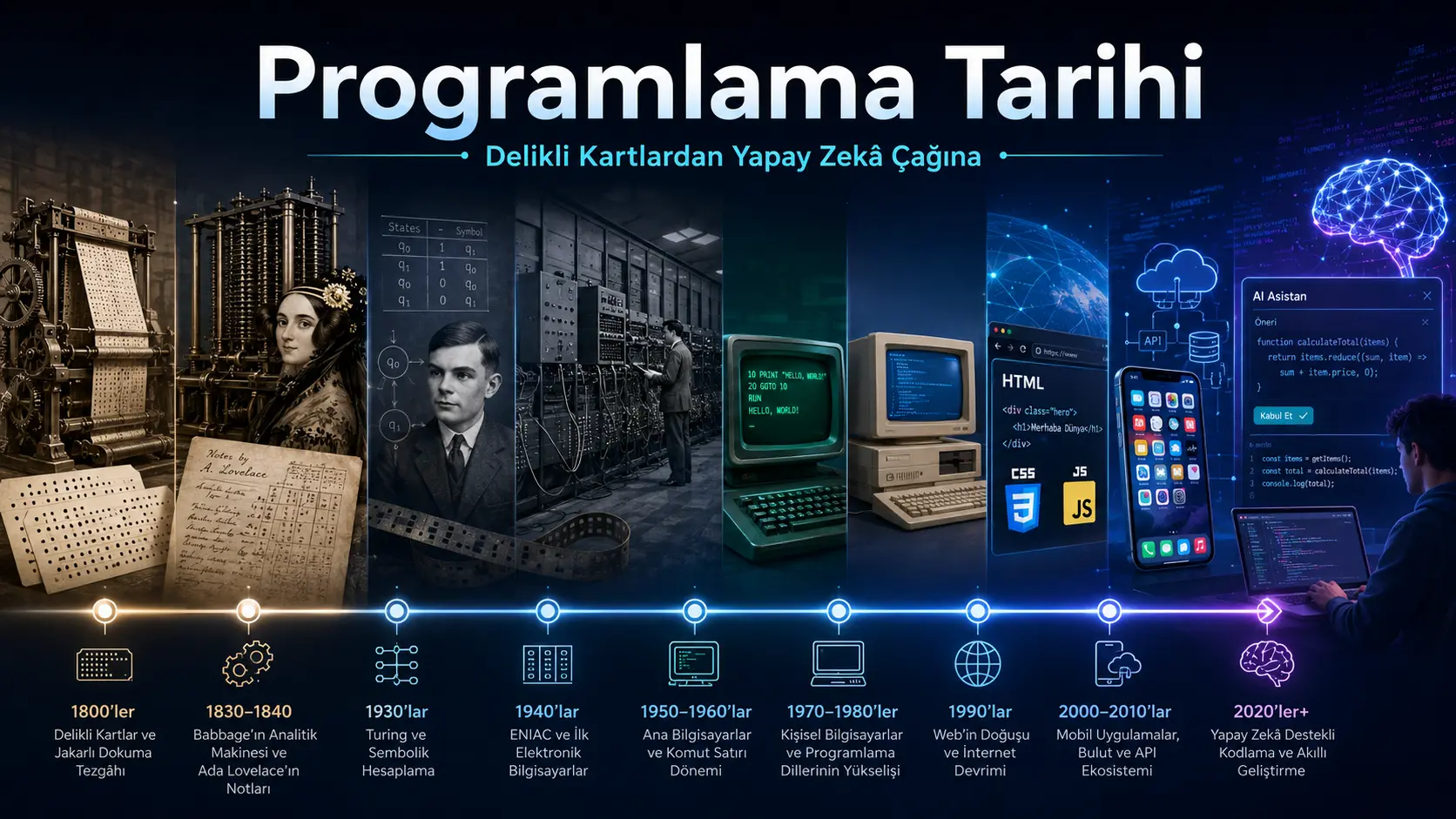
The history of programming stretches from punched cards and Ada Lovelace to Turing and ENIAC, from Fortran to Python, and on to AI-assisted coding.
BLOG / ENGINEERING NOTES
What I discover, try and learn while developing software. Clear, practical notes from the world of technology.
24 articles waiting to be explored

The history of programming stretches from punched cards and Ada Lovelace to Turing and ENIAC, from Fortran to Python, and on to AI-assisted coding.

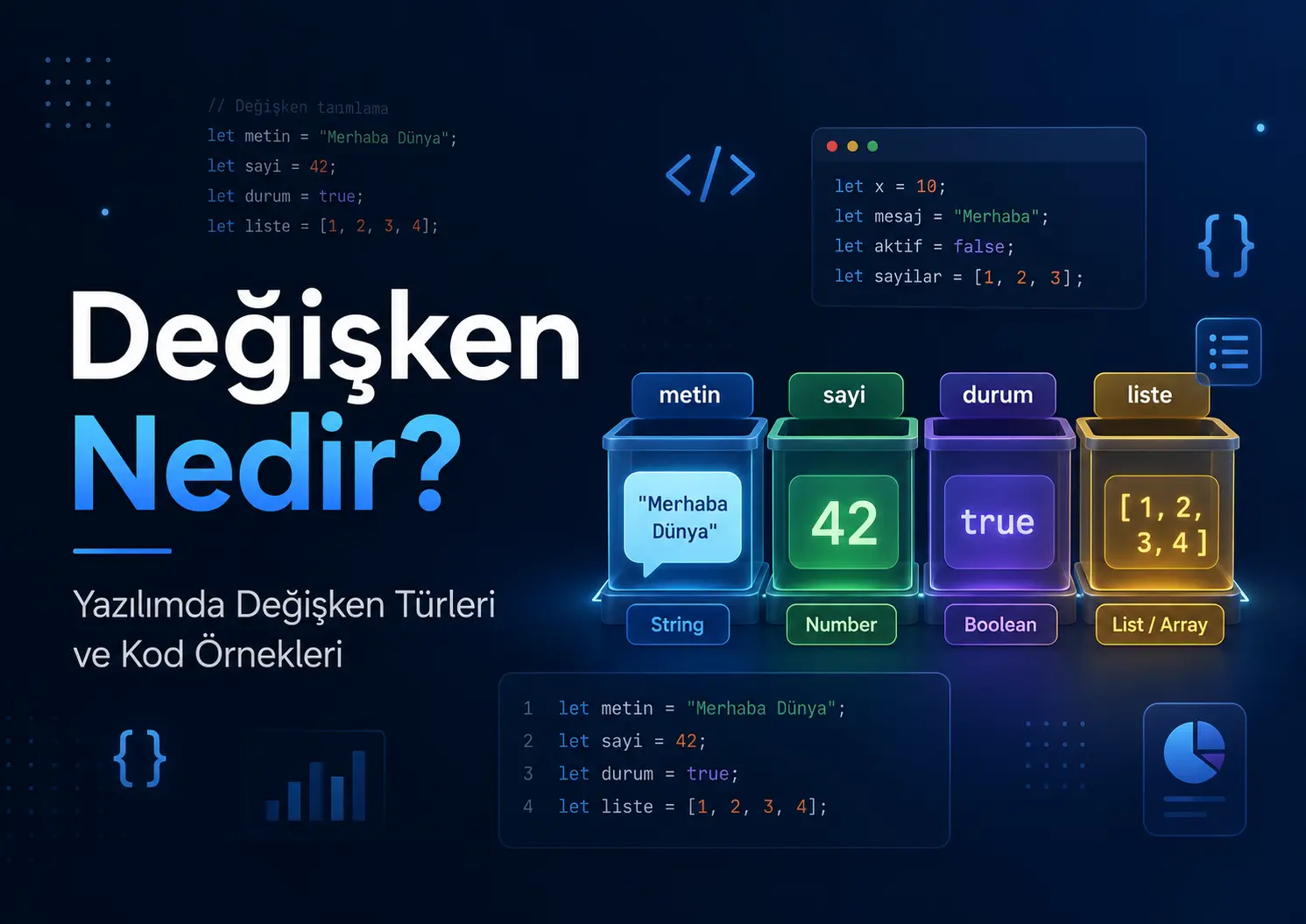
A variable is a named place for storing, using and updating information in a program. Variables hold values such as usernames, ages, prices, payment status and task counts. String stores text, int stores whole numbers, double stores decimal numbers, bool stores true or false, and List holds multiple values. Understanding variables is a foundation of programming logic and clean code.

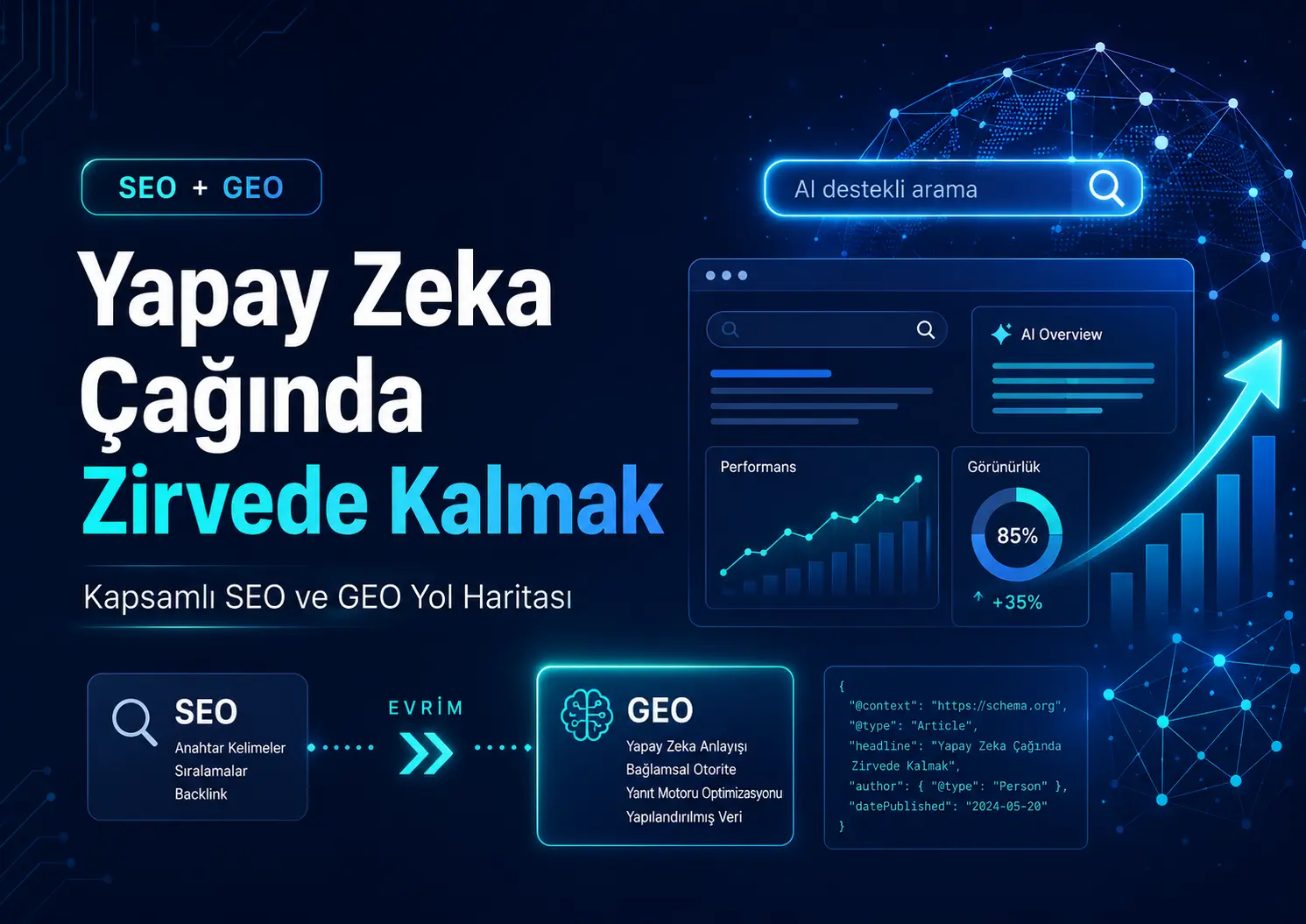
Traditional search rules are changing. This roadmap explores SEO and GEO — Generative Engine Optimisation — strategies for being cited and discovered in AI-powered tools such as Google SGE, Perplexity and ChatGPT.

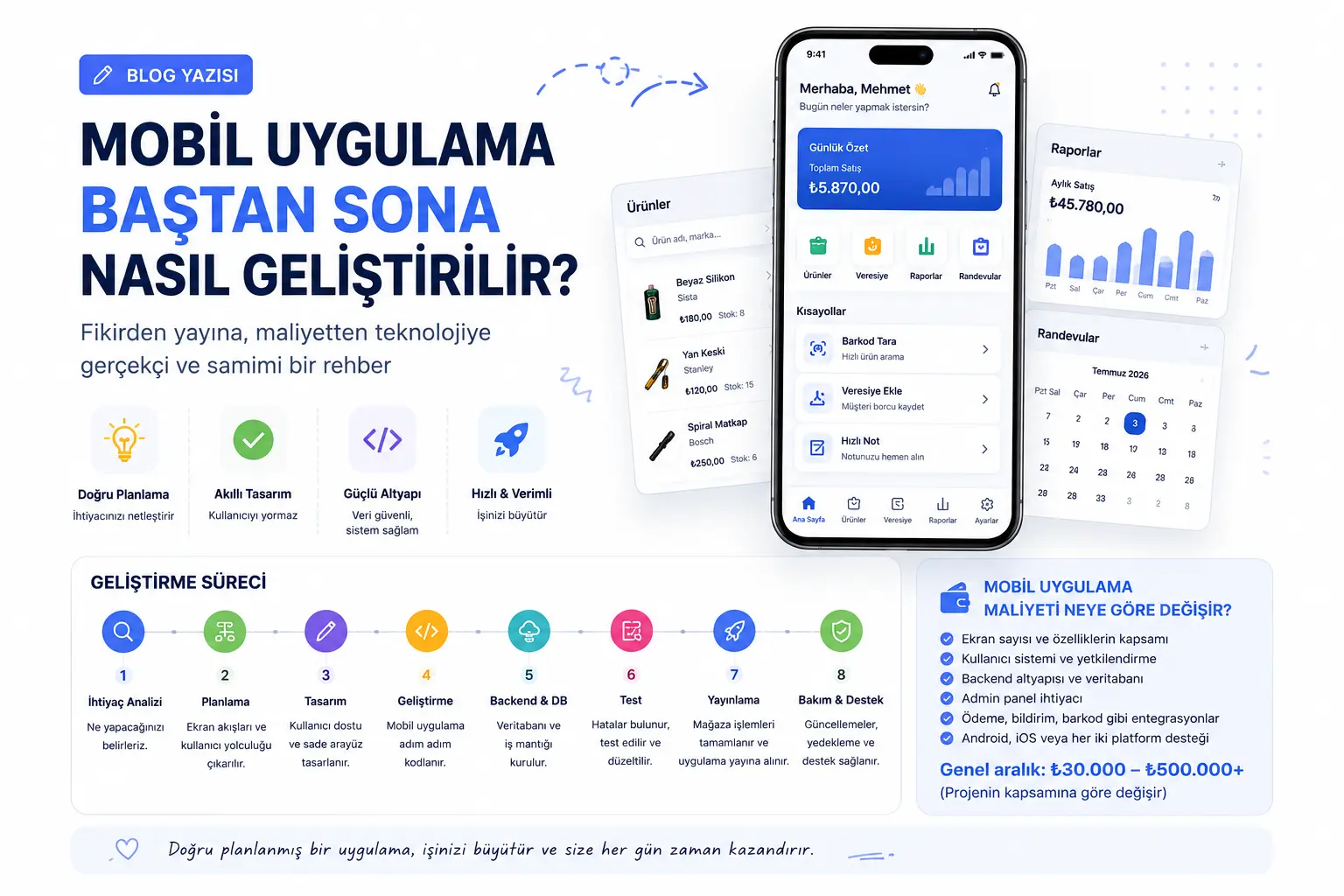
How long does mobile app development take, how is the cost estimated, and how do design and backend development work? A guide from idea to launch.

What is GitHub, and why store your code there? This article explains what GitHub does, the open-source ecosystem and its impact on your career through a real project scenario, without marketing jargon.

Publishing an application online matters just as much as writing its code. This article explores what Vercel is, how it works and why it has become popular for modern frontend projects through a practical project scenario. It also explains the basics of deployment, CDN infrastructure, serverless functions and pricing in clear language.

Starting web development from scratch? This comprehensive guide explains the differences between HTML, CSS, JavaScript, React, Next.js, Django and ASP.NET in clear language. Discover which technology to start with, step by step.

The battle of mobile app development giants: Flutter or React Native? A friendly look at the strengths, weaknesses and project selection criteria of these two popular frameworks. Discover which technology suits you.

A step-by-step comparison of Supabase and Firebase through a practical project. Explore where each makes sense, their strengths and weaknesses, and a guide to choosing between them.

What is PostgreSQL, and why is this open-source database management system so popular in 2025? This comprehensive guide covers PostgreSQL fundamentals, SQL queries and relational database design. Written for beginners and experienced developers, it includes comparisons with MySQL and MongoDB, practical SELECT, INSERT, UPDATE and DELETE commands, JOINs, normalisation and performance tips. Learn to build modern web applications using PostgreSQL with Supabase. Practise with blog and e-commerce examples, and explore ACID compliance and security features such as Row Level Security (RLS).

What is Flutter, and why is it popular in 2025? Google’s open-source toolkit lets you build iOS, Android, web and desktop applications from one codebase. Hot reload shows changes quickly, while compiled code and a shared rendering system support smooth performance and consistent designs. This guide explores Flutter, its comparison with React Native and how to start learning it.

A comprehensive 2025 guide to building a modern, fast and secure full-stack web application with Supabase and React. It walks through architecture, data modelling, authentication and common development mistakes.